Stay Two Nights in Atagawa: A Southbound 3-Day Izu Itinerary
If you are visiting the Izu Peninsula, changing hotels every night is not the only way to see more. A more comfortable approach is to stay in one hot spring town, leave your luggage in one place, and explore at a relaxed pace.
This two-night itinerary uses Futari no Yuyado Yubana Mankai in Atagawa Onsen as your base. Travel south toward Inatori, Kawazu, and Shimoda, while enjoying the coastal scenery and everyday life visible from the Izu Kyuko Line. Save Izu Kogen and the Jogasaki Coast for your arrival or departure journey.
Rather than trying to see everything, choose your destinations according to the season, weather, and transport conditions.
The itinerary at a glance
| Day |
Route |
Theme |
| Day 1 |
Arrive in Atagawa → hot spring town → Yubana Mankai |
Train views, steam, lanterns, and a ryokan evening |
| Day 2 |
Inatori Morning Market → hanging hina dolls → Kawazu or Shimoda |
Local life, tradition, and geopark landscapes |
| Day 3 |
Slow morning in Atagawa → departure; optional northern stop |
The afterglow of the onsen town and Izu scenery |
Day 1: Meet Izu through the train window
Travelers arriving from Tokyo generally travel via Atami before continuing toward the Izu Kyuko Line. Exact travel times and connections depend on the date and train service, so please check the official JR East and Izukyu information before departure.
The journey on the Izu Kyuko Line is not merely transportation. Look for the blue Pacific Ocean, small fishing ports tucked into coves, houses built on green slopes, fields, and local roads. Alongside the famous scenery, you can see the warmth of places where people actually live.
After arriving at Izu-Atagawa Station, leave your luggage at Yubana Mankai and take a first walk through the hot spring town. A station shuttle may be available between 2:30 p.m. and 5:00 p.m.; please contact the inn when making your reservation to confirm the current arrangements.
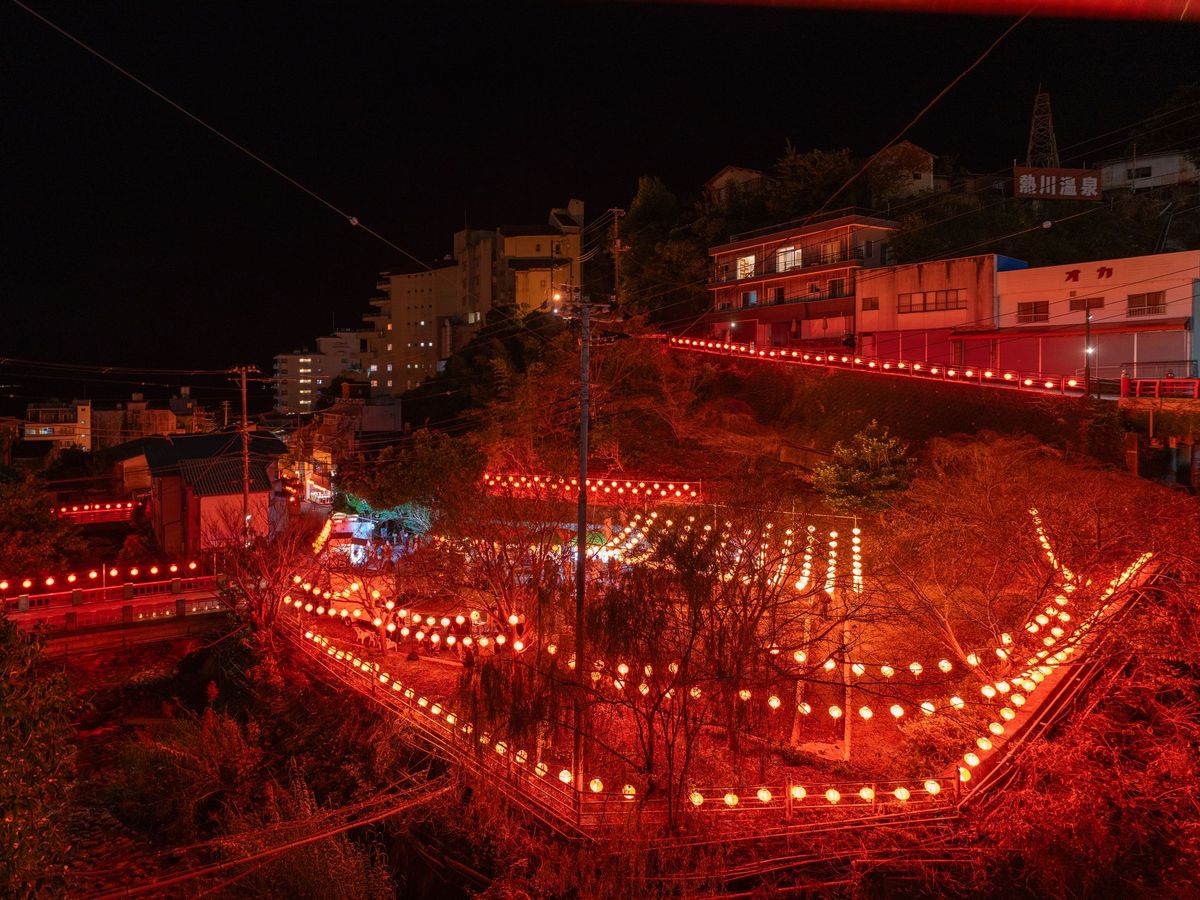
Look for steam rising from the onsen towers, lanterns glowing along the streets, and the sound of the Pacific Ocean. In the evening, warm yourself in one of the inn’s private onsen baths and enjoy dinner featuring local ingredients.
Day 2: From Inatori’s morning market to southern Izu’s landscapes
On Day 2, head south from the morning onward. We do not recommend rushing through Inatori, Kawazu, and Shimoda simply to check them off a list. Choose your destinations according to the season, your interests, and the day’s transport conditions.
Morning: Feel the atmosphere of Izu at Inatori’s Morning Market
If you are comfortable starting early, visit the Inatori Morning Market. The market features agricultural products, seafood, processed foods, and other local products from Higashiizu Town. It is a place to notice the food and human presence of a fishing town.
Official information lists the venue as the first floor of the Higashiizu Town Office multi-story parking lot and the hours as 8:00 a.m. to noon. Opening days and details may change, so please check the latest official information before visiting.
Late morning: Discover the wishes preserved in hanging hina dolls
If you visit Inatori in early spring, make time for its tradition of hanging hina dolls. Inatori is known as the birthplace of this tradition, which has been passed down since the Edo period.
Small handmade ornaments are displayed beside the hina-doll platform, expressing wishes for the healthy growth of girls. The tradition has been passed from mother to daughter and from daughter to grandchild. Each ornament reveals that travel in Izu is not simply about seeing things; it is also about encountering the hopes of local families.
Festival dates, exhibition venues, and admission details vary by year. Please check the official Higashiizu Town or Inatori Onsen information before traveling.
Afternoon: Kawazu Cherry Blossoms or a full day in Shimoda
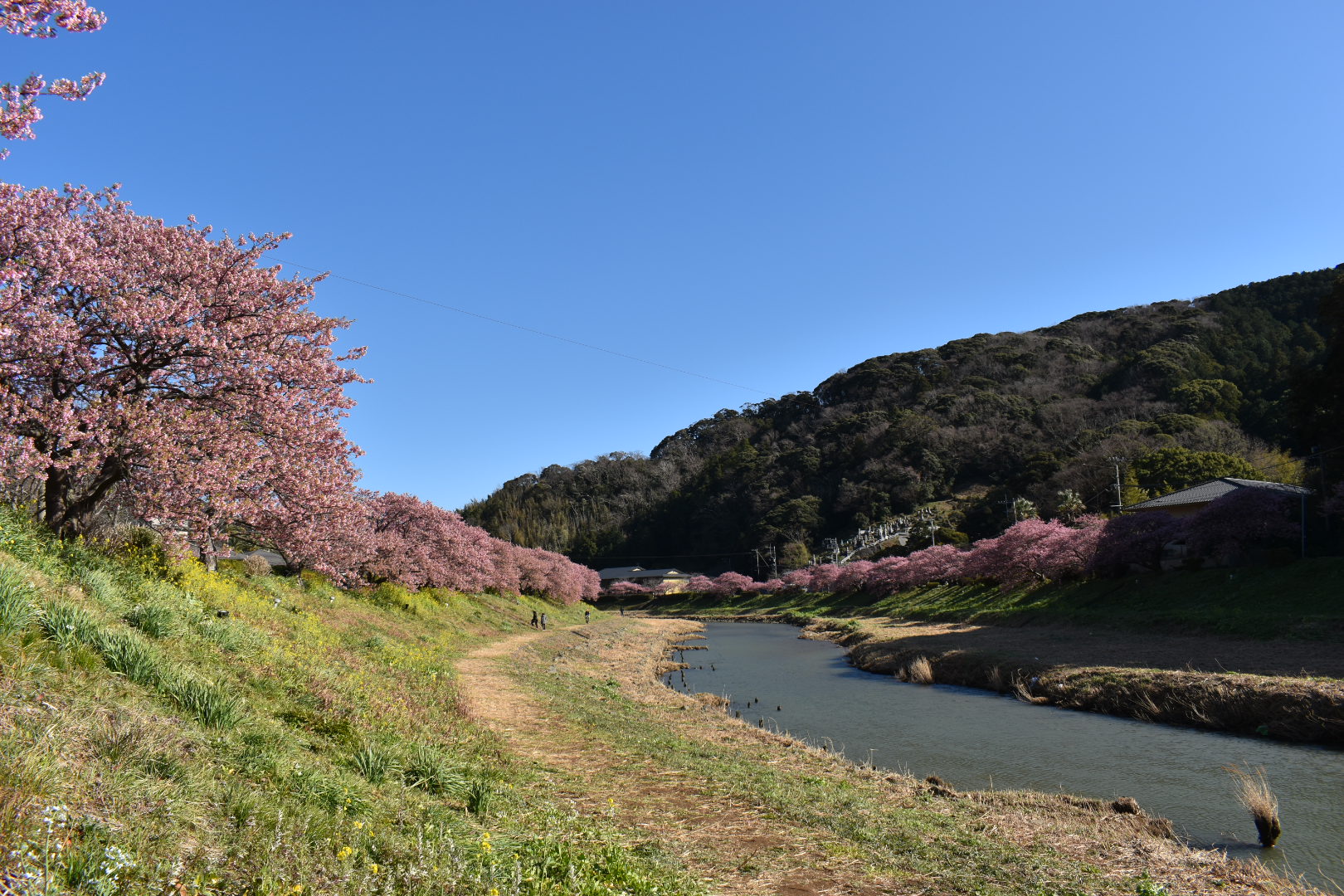
During the Kawazu Cherry Blossom season, walk beside the Kawazu River and enjoy the famous early blossoms. Blooming dates and festival crowd levels vary each year, so check the latest official information before traveling. After Kawazu, return to Yubana Mankai without having to move your luggage into the busiest area.
Outside the cherry blossom season—or if you would like to travel farther south—make Shimoda the main destination for the day. Shimoda is not simply a seaside town. It is a place where volcanic landscapes, clear water, fishing-port culture, and the history of Japan’s opening to the world meet. The town is part of the Izu Peninsula UNESCO Global Geopark, giving the landscape a deeper story beyond its beauty.
For a nature-focused route, choose Ryugu Sea Cave and Cape Tsumeki. Ryugu Sea Cave is a remarkable sea cave whose roof has opened to create a natural skylight. A trail above the cave offers a different perspective, including a place where the landform looks heart-shaped. At Cape Tsumeki, enjoy the meeting of rugged coastal landforms, open ocean, and seasonal vegetation. These are places to experience with your eyes, but also with the sound of wind and waves.
For a history-and-townscape route, walk Perry Road and visit Ryosenji Temple. Perry Road follows the route taken by Commodore Perry’s party on their way to Ryosenji during the negotiations that led to the Shimoda Treaty. Along the Hirana River, the approximately 500-meter stone-paved street is lined with traditional Izu-stone buildings, namako wall patterns, willow trees, stone railings, and old-town details. In the evening, gas lamps give the street a particularly atmospheric character.
Ryosenji Temple stands at the end of this historical story. Nearby, the Shimoda Museum of the Black Ships, MoBS, and Chorakuji Temple offer further ways to understand the period when Shimoda became Japan’s gateway to international exchange. If you prefer to experience the modern life of the port town, visit Kaikoku Shimoda Minato or consider an Izu Cruise, subject to the day’s operating schedule.
If you travel as far as Shimoda, do not try to fit Ryugu Sea Cave, Cape Tsumeki, Perry Road, and every museum into one rushed afternoon. Choose a nature route or a history route, select one or two main places, and leave time to pause. In Izu, the journey itself takes time, and that is part of the experience. At the end of the day, return to Atagawa and enjoy the quiet atmosphere of Yubana Mankai.
Day 3: Enjoy an Atagawa morning, then explore the north on your way out
On your final morning, take a bath before or after breakfast, listen to the ocean, and reflect on the journey.
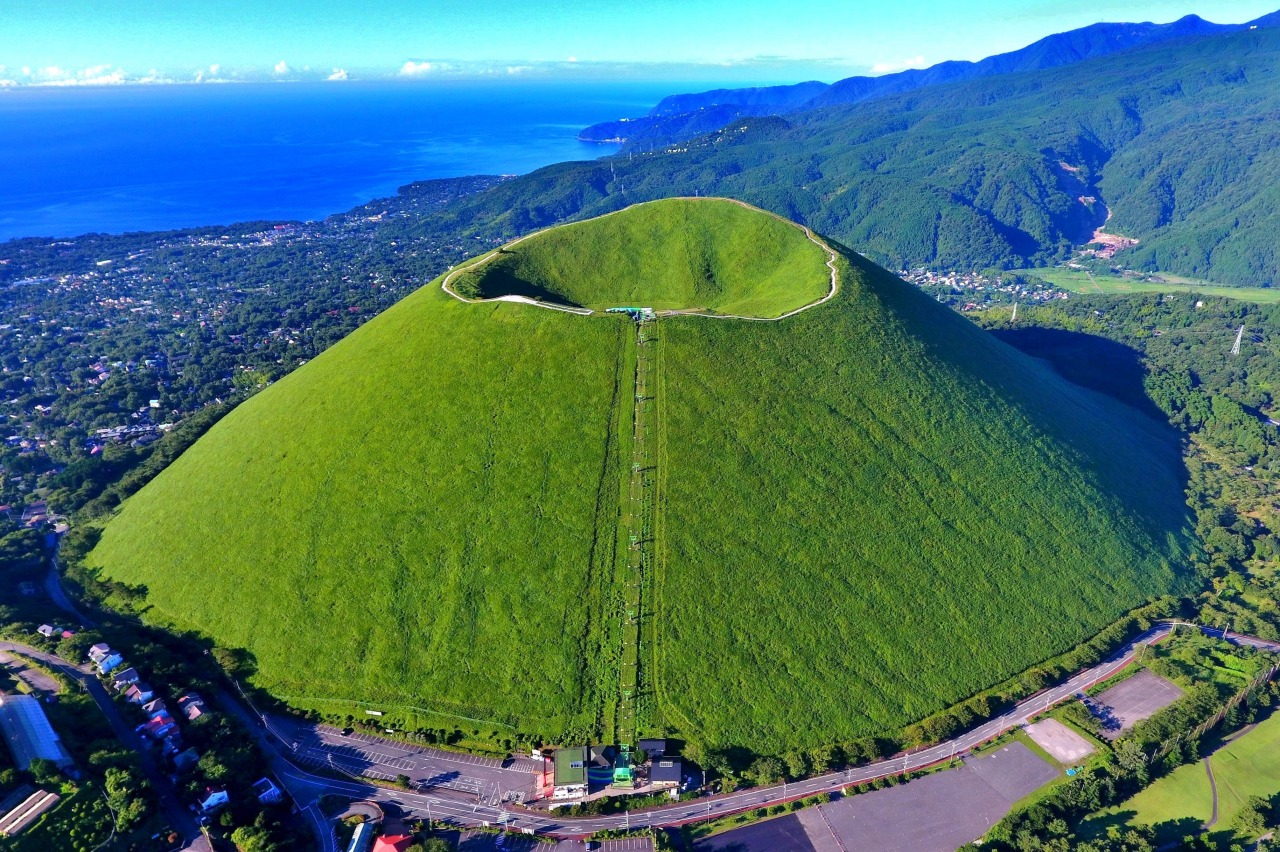
If your departure schedule allows, add Izu Kogen or the Jogasaki Coast as a stop on your way out. You can also visit the northern side of Izu on your way into the peninsula. Placing the northern scenery at the beginning or end creates a pleasant contrast with your southbound day. Always allow plenty of time to reach your train or other connection.
Practical advice for international travelers
Public transportation in Izu is less frequent than in Tokyo or Osaka. Check train and bus timetables, seasonal services, and possible weather-related changes before departure and again on the day of travel. JR East, Izukyu, and each attraction’s official website are the best places to confirm current information.
Markets, restaurants, and seasonal events may have limited opening days or hours. If the Inatori Morning Market, the hanging hina-doll exhibitions, or the Kawazu Cherry Blossoms are important to your trip, check the latest information before traveling.
At a Japanese ryokan, you may be asked to remove your shoes indoors, and meal or bathing times may be arranged in advance. If anything is unfamiliar, please feel free to ask the inn when booking or at check-in.
Do not rush through Izu—travel south from an Atagawa base
The Izu Peninsula is more than a collection of viewpoints. It is the ocean and human life seen from the Izu Kyuko Line, the local produce and seafood at Inatori’s morning market, the family wishes represented by hanging hina dolls, the geological story revealed by Shimoda’s landscapes, and the steam and hot springs waiting in Atagawa at the end of the day.
Futari no Yuyado Yubana Mankai is an adults-only ryokan with only 16 rooms. With six private onsen baths and a quiet atmosphere, the inn is part of the Izu experience itself—not merely a place between sightseeing stops.
Make the second day your southbound day, and enjoy northern Izu when you arrive or depart. By using Yubana Mankai as your base, you can keep your suitcase in one place and experience Izu at your own pace.
Visit the English Website and Book Your Stay
References
« 前の記事へ |
次の記事へ »